Fluorescence obscure Raman signals
Thermal interference obscure Raman signals
Weak signals in complex or novel materials
Limited ability to study dynamic processes, in e.g. operando measurements

Fluorescence is one of the biggest limitations in conventional Raman spectroscopy often preventing reliable molecular analysis in biological, pharmaceutical and advanced material systems.
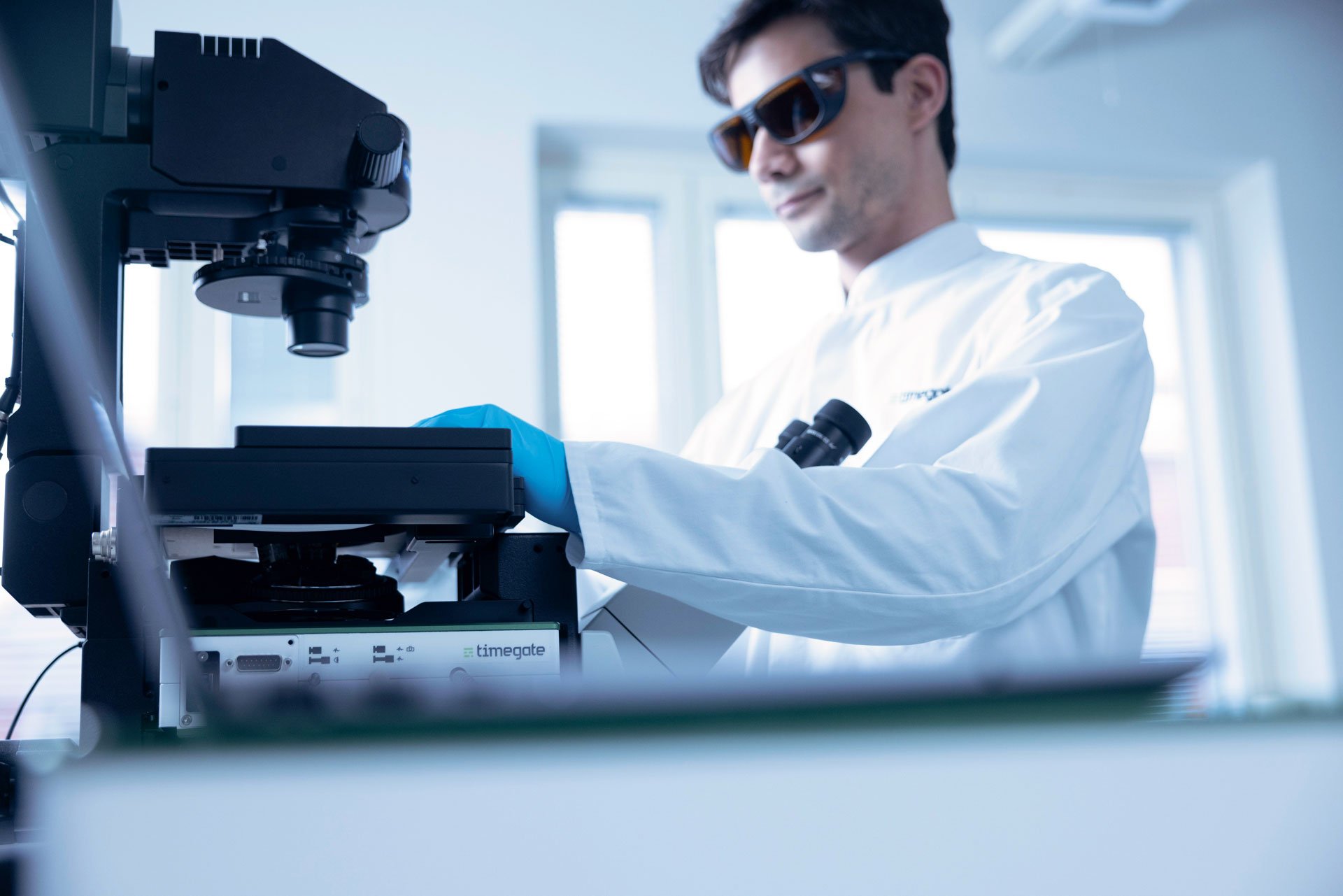
Timegated® Raman technology enables fast, non-destructive and label-free molecular analysis in fluorescent and optically complex materials where conventional Raman methods often fail to deliver usable spectra. By separating fast Raman signals from slower fluorescence, Timegate reveals molecular information that would otherwise remain hidden while adding the time dimension as a new layer of analytical insight.
Researchers use Timegate to explore new possibilities in materials science, photonics, semiconductors, life sciences, catalysis and pharmaceutical research.
Fluorescence obscure Raman signals
Thermal interference obscure Raman signals
Weak signals in complex or novel materials
Limited ability to study dynamic processes, in e.g. operando measurements
Separates Raman signals from background for fluorescent emission
Operates in high thermal emission and ambient light
Enhances signal-to-noise ratio, revealing insights from difficult samples due to ability to use 532nm excitation
Pulsed laser 150kHz enables extreme fast measurements
See the unseen - Analyze fluorescent samples and measure even in highly elevated temperatures up to 2300°C
Opens access to high-resolution time-stamped Raman and fluorescence signals forming 3D data cube
Perform in situ measurements without altering or damaging your samples.
Modular instrument structure enables wider application areas by multiple research groups
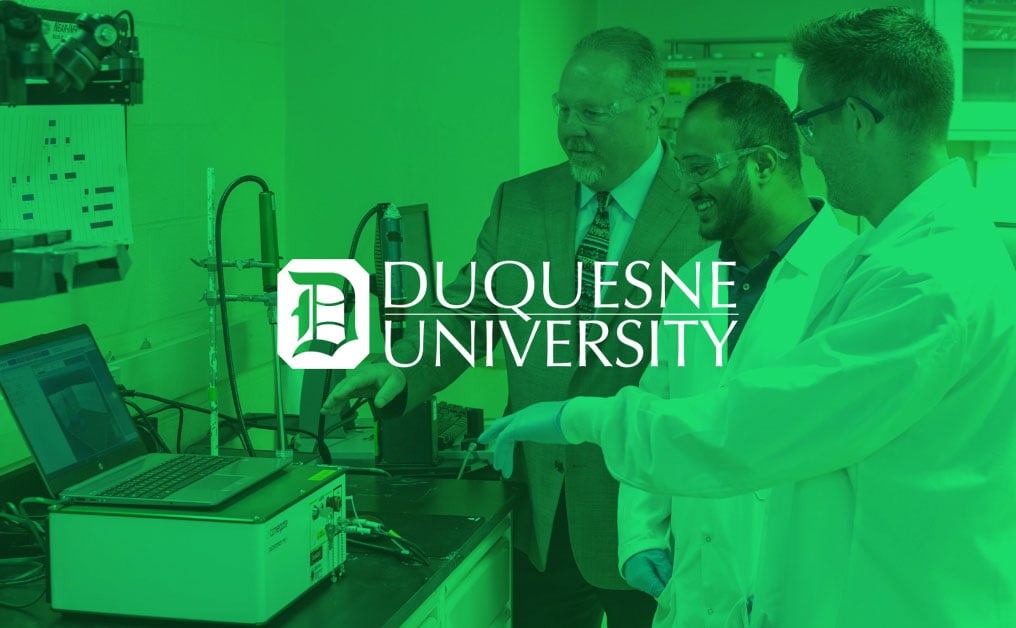
Researchers at Duquesne University are using Timegated® Raman technology to overcome fluorescence challenges and gain clearer molecular insights in complex biological samples. See how advanced spectroscopy supports faster, more reliable academic discoveries.
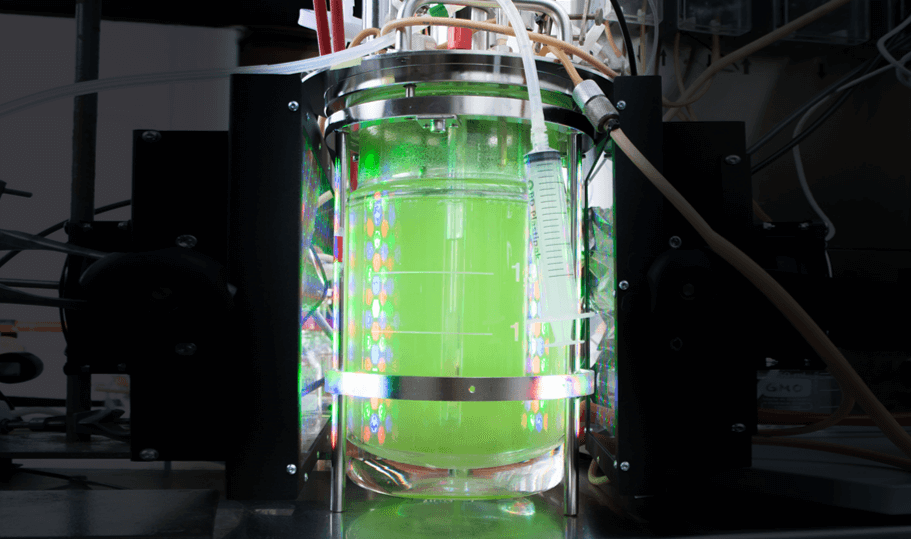
The ROBA (Robust Algae Systems) project explored how to make large-scale algae cultivation more reliable and economically viable. By combining advanced monitoring technologies, modelling, and bioprocess expertise, the project addressed key challenges such as contamination control and process stability.
At KTH Royal Institute of Technology, Time-gated Raman spectroscopy enables non-destructive, real-time monitoring of key metabolites in stem cell bioproduction, improving process control and supporting the shift toward continuous, automated biomanufacturing.
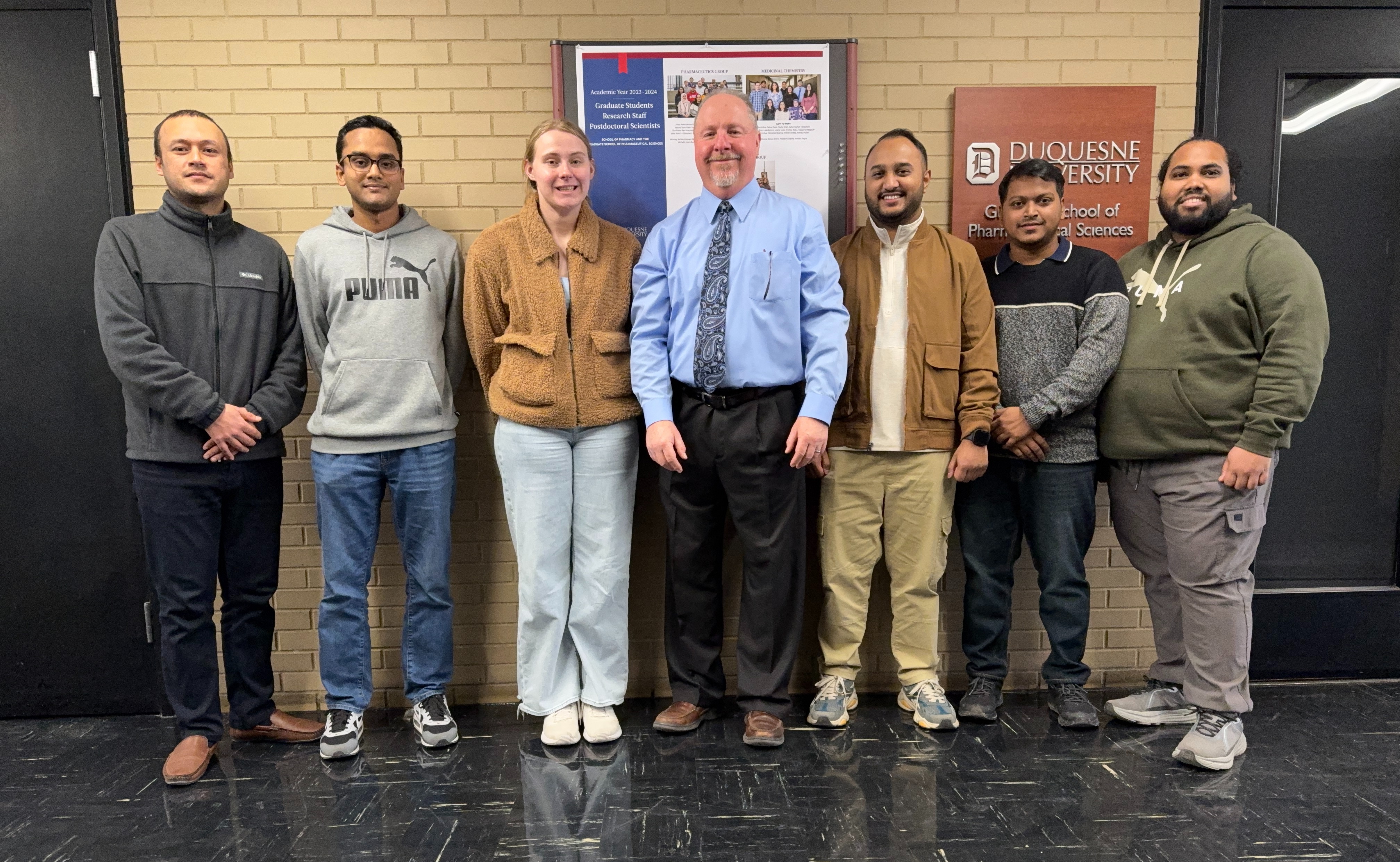
A collaborative study led by Duquesne University shows how Time-Gated Raman outperforms conventional Raman by improving signal-to-noise ratio and enabling detection of key metabolites at lower concentrations—unlocking real-time process insight.
Whether you’re working in life sciences, materials research, or fundamental chemistry, Timegate experts can help optimize your analytical strategies with fluorescence-free Raman insights.