Background overview
Biopharma teams need faster ways to understand protein stability, unfolding, and aggregation, early across many conditions and formulations, without relying on labels or destructive tests. In this case study presented at IFPAC 2026, Timegate demonstrated how Microplate HTS imaging combined with Timegated® Raman can provide molecular-level insight at high throughput.
Challenge
Traditional workflows for detecting early protein instability often require time-consuming assays, labels/dyes, and single-condition measurements that can miss subtle trends. Early-stage structural changes can be minor and difficult to interpret from a single spectrum so replicates and statistical robustness are essential when screening many conditions.
Solution
Timegate’s Microplate HTS System enables parallel and automated screening with Timegated® Raman measurements that reject fluorescence and can be performed even in ambient light. The approach provides direct molecular insight without labels, supports complex biological matrices, and works with small sample volumes (typically 20–50 μL per well) while keeping Raman fingerprints comparable across wells and conditions.
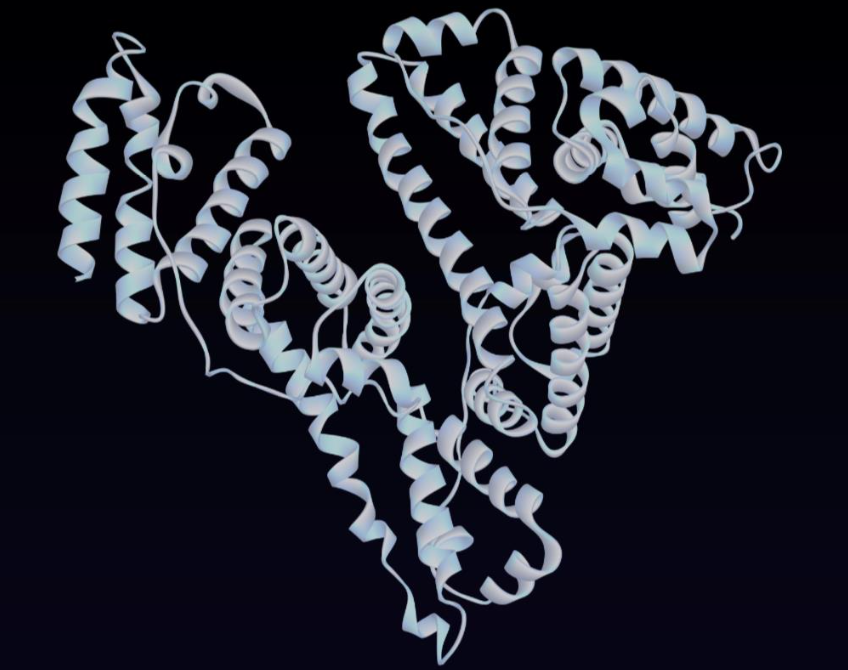
The IFPAC case study focused on mapping pH-induced conformational changes in albumin, using Raman spectral markers (e.g., Amide regions and aromatic side-chain markers) to detect unfolding and aggregation-associated structural shifts.
“Our objective is to bring a new perspective into high-throughput biopharmaceutical workflows using Microplate HTS imaging.”
— Mari Tenhunen, Timegate Instruments Oy
Results
In the albumin stress case study, the HTS well-plate format enabled multiple replicates per condition, improving confidence in detecting trends that would be hard to interpret from single measurements. The study demonstrated that:
- Tertiary unfolding was detected (increase in Tyr 850/830 ratio → increased solvent exposure).
- Aggregation-associated structural changes were observed (reduction in α-helical content in the Amide III region and increase in β/extended backbone conformations).
- Increased light scattering was consistent with protein clustering, while no clear evidence of highly ordered β-sheet fibrillation was observed in the Amide I region.
- Overall, higher pH drove unfolding and aggregation-associated structural changes, supporting the value of Time-gated Raman HTS for early stability assessment.
Applications highlighted include stress testing, formulation screening, and early stability assessment; without dyes, labels, or destructive assays.